

Most of us know the feeling. The day is over, the work is done, and the house is still messy. Somehow, nothing in it was for you. I’ve had plenty of days like that myself, where I worked from morning till night and still felt like I did nothing for me.
That cycle won’t break by itself, but you don’t need drastic steps to break it. You don’t need a strict schedule or a brand-new lifestyle. You need to see what’s making your days hard, change a few small things, and let them settle in.
This guide on how to improve your life Impocoolmom starts with the basics: managing your daily tasks, guarding your time, and moving forward one step at a time.
Work Out Why You’re Stuck
Most people assume they’re stuck because they lack discipline. Often that’s wrong. A packed schedule, constant interruptions, or just no plan for the week can make anyone feel like they’re failing. So before you set any goals, spend five minutes with a notebook and answer these:
- What takes up most of my time?
- What task do I keep avoiding?
- What could I do faster or in a simpler way?
- What would make tomorrow easier?
Then choose one problem. Only one. If mornings are a mess, pack your bag and pick your clothes the night before. If work keeps spilling into your evenings, find the task you dread most and do it first thing tomorrow. Fixing one real problem beats a long list of resolutions you’ll forget by Friday.
A Routine That Doesn’t Fight You
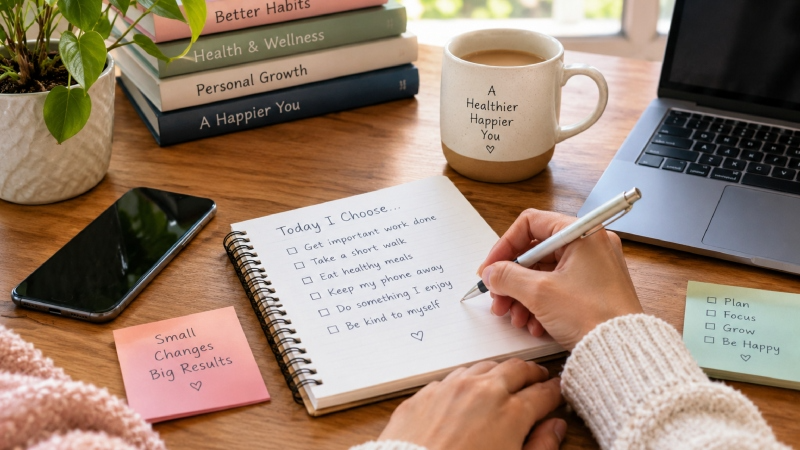
Here’s a test for any routine: does it make your day lighter or heavier? If it feels like another list of things to feel guilty about, throw it out and start over. A simple way to plan is to pick three things each morning. One must get done, like a deadline or a bill. One moves a personal goal forward, even a little. And one is a small favor to tomorrow’s you, such as packing lunch or setting out your documents.
A real example: finish the quarterly report, walk for ten minutes at lunch, charge your laptop before bed. That’s a good day.
Leave gaps, though. If you have kids, a demanding job, or a life where plans change at the last minute, a packed schedule will break on the first surprise. A loose plan that survives the week is worth more than a perfect one that collapses on Wednesday.
Take Back Your Attention
Think about the last time you sat down to work on something important. How long before you picked up your phone? Probably not long. One quick check turns into ten minutes, and the task you wanted to finish still hasn’t moved.
You can’t remove every distraction, and trying will only annoy you. A few small changes do most of the work:
- Put your phone in another room while you work on something that matters.
- Switch off notifications from apps that don’t need you right now. Shopping apps and games rarely do.
- Check messages at set times, like after lunch, instead of every few minutes.
- When a task feels huge, promise yourself 15 minutes. You can stop after that. Usually you won’t.
You’re not trying to be productive every minute. That’s impossible, and it sounds exhausting. You’re just deciding where your attention goes before a notification decides for you.
Look After Yourself (Without Turning It Into Homework)
When life gets busy, sleep, food, and movement go first. It makes sense in the moment, but it backfires. After a few weeks of five-hour nights and skipped meals, even small tasks start to feel heavy. You don’t need a new lifestyle. Start with whichever of these feels easiest:
- Walk or stretch for ten minutes a day. That counts.
- Go to bed and wake up at roughly the same time, even on weekends if you can manage it.
- Keep two or three easy meals in your back pocket, like eggs and toast, rice with vegetables, or a quick salad with some protein.
- Take one real break that doesn’t involve a screen. Sit outside, drink your tea slowly, or work on a hobby.
Pick one. Do it for two weeks. Then add another. And if the stress doesn’t ease up, or it starts getting in the way of your sleep, work, or relationships, talk to a qualified professional. Asking for help is the sensible thing to do.
Learn to Say No
Some people say yes to everything. They want to help, and they hate disappointing anyone. The result is a calendar full of other people’s priorities and almost no room for their own. Before agreeing to anything new, ask yourself two things. Do I have the time? Do I have the energy? If the answer to either is no, it’s fine to decline.
You don’t need a long explanation. “Thanks for asking, but I can’t take that on right now” is enough. If you’d like to leave the door open, try “I can’t this week, but I could help next month.”
The same goes for work. Pick a time to stop, and stick to it most days. The unfinished task will still be there tomorrow, and you’ll do it better after a proper evening off. Setting boundaries doesn’t make you selfish. It just means you’re honest about how much you can carry.
Make Your Goals Smaller and More Specific
“I want to improve myself” is a nice thought. It’s also useless on a Monday morning, because it doesn’t tell you what to do.
Compare that with these: If you want to be more organized, spend five minutes each evening planning the next day. If you want to learn a skill, put two short practice sessions on your calendar every week. If you want to be closer to someone, call them this weekend instead of sending another quick text.
Once a week, look back. What worked? What got in the way? What would you change? When you keep missing a plan, don’t decide you’re lazy. Look at the plan first. It might need more time or energy than you actually have. Cut it in half and try again.
Quit Measuring Yourself Against Strangers
Scroll through social media for ten minutes, and you’ll find someone with a cleaner house, a better body, or a more impressive career. It’s easy to feel behind. But you’re only seeing the highlights. You don’t see their savings, their family help, or the bad days they never post. Their life simply isn’t yours.
A fairer comparison is you now versus you a few months ago. Maybe you finish tasks with less stress. Maybe you finally have an evening to yourself once a week. Those are real wins, even if nobody claps. Setbacks will happen. You’ll skip a workout, waste an afternoon, or fall back into old habits. That doesn’t erase what you’ve built. Start again when you can, and adjust the plan if it needs it.
Try This Over the Next Seven Days
You don’t need a big program. Just spend a week on one problem and one practical fix.
- Day 1: Write down the biggest frustration in your routine.
- Day 2: Choose your three priorities and plan a realistic day.
- Day 3: Add one small habit that helps your health.
- Day 4: Remove one distraction that wastes your time.
- Day 5: Set a limit on one commitment that feels like too much.
- Day 6: Spend time with someone, or on something, that matters to you.
- Day 7: Look back at the week and decide what to keep.
This is a starting point, not a deadline. Keep what helps. Drop what doesn’t.
Final Thoughts
A better life doesn’t come from following every tip you read. It comes from knowing what you need, making a few sensible choices, and building habits that fit the life you actually have. So pick one problem and fix it today. Keep the first step small enough to finish. Notice what changes, then build from there. Nobody gets everything right at once. A clear direction and a willingness to adjust will take you further than a perfect plan.
Have questions or feedback? We’re always here to listen. Contact us anytime for support.

Erin Durkheim is a digital content writer and researcher focused on blogging, technology, AI tools, and practical digital guides. Through BloggingHut, Erin shares clear, useful, and easy-to-follow information to help readers learn new tools, improve their digital skills, and work more effectively online.