
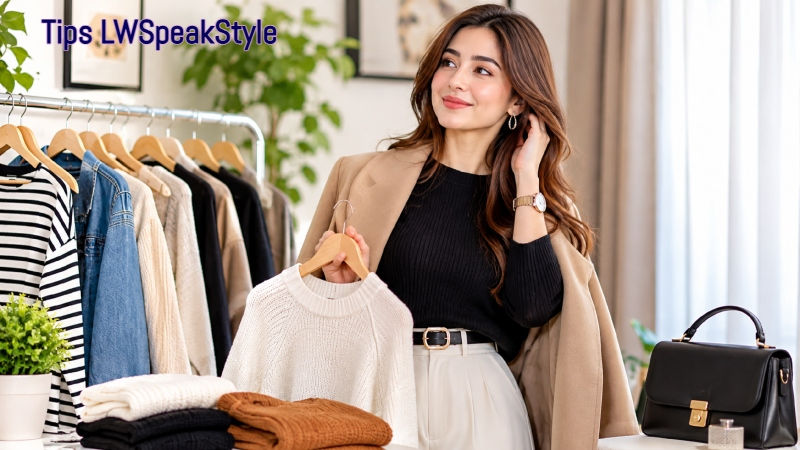
Getting dressed should not feel like a difficult decision every morning. Yet many people stand in front of a full wardrobe and still struggle to put an outfit together. Sometimes the problem is not a lack of clothes. It is knowing how to combine the pieces you already own.
Personal style does not have to depend on expensive brands, a large wardrobe, or following every new trend. Small choices, such as finding the right fit, choosing colors that work together, and adding simple accessories, can make everyday outfits look more put together.
This is where tips LWSpeakStyle can offer a useful starting point. The phrase is associated with practical fashion advice focused on personal style, wardrobe choices, and everyday outfit ideas. Rather than treating fashion as a set of strict rules, it can be understood as a way to dress comfortably while expressing your own preferences.
In this guide, you will find simple fashion tips to help you make better use of your wardrobe, create outfits with confidence, and develop a style that suits your daily life.
What Are Tips LWSpeakStyle?
Tips LWSpeakStyle refers to fashion-related advice connected with the LWSpeakStyle name. Online content using this phrase discusses topics such as outfit combinations, wardrobe essentials, accessories, clothing choices, and personal expression.
The general idea is simple: wear clothes that fit your lifestyle, feel comfortable, and reflect your preferences. There is no single fashion formula that works for everyone. A person who works in an office may need different clothing from someone who spends most of the day outdoors or works from home.
Instead of copying every popular look, focus on understanding what works for you. That is a more practical way to build a wardrobe you will actually enjoy wearing.
1. Understand Your Personal Style
Before buying new clothes, take a little time to understand your existing style. Think about the outfits you enjoy wearing most. Are they casual, classic, modern, sporty, or a mixture of different looks? You do not need to choose only one style. Your clothing can change depending on your mood, plans, and daily activities.
A simple way to start is to review your wardrobe and notice:
- Which clothes you wear most often
- Which colors you naturally prefer
- What types of outfits make you feel comfortable
- Which items rarely leave your wardrobe
- What you need for work, home, travel, or social occasions
This small review can help you identify your preferences before spending money on new pieces. Personal style develops over time. You can experiment with different combinations without feeling that every outfit has to follow a particular trend.
2. Choose Clothes That Fit Comfortably
Fit is one of the most important parts of everyday fashion. Even an attractive outfit may not feel right if the clothing is too tight, too loose, or uncomfortable to move in. When choosing clothes, pay attention to how they fit around the shoulders, waist, sleeves, and length. Try sitting, walking, and moving naturally before deciding whether an item is suitable.
Different styles can look good with different fits. Some people prefer relaxed clothing, while others enjoy a more structured appearance. The important thing is to choose pieces that suit your comfort and the look you want to create. Also, remember that clothing sizes can vary between brands. Check the measurements rather than relying only on the size printed on the label.
3. Build a Wardrobe Around Useful Basics
A useful wardrobe does not need to contain dozens of similar items. A few versatile pieces can create many different outfits when combined thoughtfully.
Depending on your lifestyle, useful basics may include:
- Plain T-shirts or comfortable tops
- Well-fitting jeans or trousers
- A simple shirt or blouse
- A lightweight jacket or cardigan
- Comfortable everyday shoes
- A practical bag
- Clothing suitable for your local weather
These are suggestions, not a compulsory shopping list. Choose items that match your routine and personal preferences. Before buying something new, try combining it with clothes you already own. If it works with several existing pieces, it may be a more useful addition than an item that only matches one outfit.
4. Learn How to Combine Colors
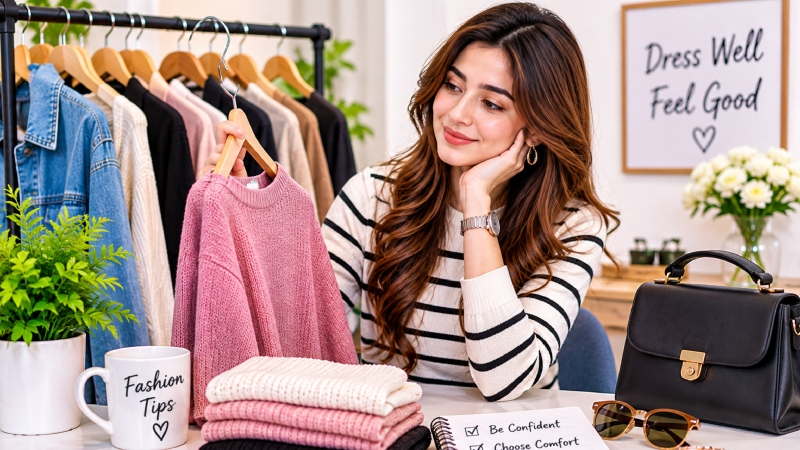
Color can change the overall appearance of an outfit. You do not need advanced fashion knowledge to combine colors effectively. Start with shades that you already enjoy wearing. Neutral colors such as black, white, gray, navy, beige, and brown are easy to pair with many other shades. You can also introduce color through one item, such as a shirt, scarf, handbag, or pair of shoes.
Here are a few simple ideas:
- Combine a neutral top with trousers in a different neutral shade.
- Add one brighter color to an otherwise simple outfit.
- Try similar shades together for a coordinated appearance.
- Use accessories to introduce color without changing your entire outfit.
There is no need to avoid colors that are considered unusual combinations. Fashion is also about experimenting and finding what you enjoy.
5. Use Accessories to Complete an Outfit
Accessories can make a simple outfit feel more personal. A basic shirt-and-trousers combination, for example, can look different with a belt, watch, scarf, or a suitable handbag. The key is choosing accessories that work with the rest of your clothing.
Some useful options include:
- Belts that complement your trousers or dress
- Watches for a simple finishing detail
- Scarves for extra color or texture
- Handbags that suit your daily needs
- Jewelry that matches your preferred look
- Shoes that balance comfort and appearance
You do not have to wear several accessories at once. Sometimes one carefully chosen item is enough to complete an outfit. Try different combinations and see which ones feel natural to you.
6. Dress According to Your Daily Lifestyle
An outfit may look attractive, but it should also suit the activities you have planned. For example, someone working in an office may prefer comfortable formal trousers, shirts, and suitable shoes. A person spending the day running errands may choose relaxed clothing that allows easy movement.
Weather also matters. Lightweight fabrics may feel more comfortable in warm conditions, while layers can be useful during colder months.
Before choosing an outfit, consider:
- Where you are going
- What activities you will be doing
- How long you will be wearing the outfit
- The weather and temperature
- Whether you need comfortable footwear
Thinking about these details can help you avoid outfits that look good but do not suit the occasion.
7. Take Care of Your Clothes
Good fashion choices are not only about what you buy. Looking after the clothes you already own can help them remain in good condition for longer. Start by checking the care label before washing an item. Different fabrics may require different washing temperatures, drying methods, or ironing settings.
A few simple habits can help:
- Keep clean and worn clothes separate.
- Fold knitwear carefully to help maintain its shape.
- Hang suitable shirts, dresses, and jackets.
- Clean shoes according to their material.
- Repair loose buttons or small issues when possible.
- Store seasonal clothing in a clean, dry place.
Taking care of your wardrobe can also help you understand which items are worth keeping and which may need replacing.
8. Avoid Buying Clothes Just Because They Are Trending
Fashion trends change frequently. Something popular today may receive less attention a few months later. Following trends can be enjoyable, but buying every popular item can lead to unnecessary spending and a wardrobe full of clothes you rarely wear.
Before making a purchase, ask yourself:
- Do I genuinely like this item?
- Is it comfortable and suitable for my lifestyle?
- Can I combine it with clothes I already own?
- Is the price reasonable for my budget?
- Will I realistically wear it more than once?
These questions can help you make more thoughtful shopping decisions. You can still experiment with new trends. Just choose the ones that fit your personal style rather than feeling pressured to follow everything.
Common Fashion Mistakes to Avoid
Building a personal style takes practice. A few common mistakes can make choosing outfits more difficult than necessary.
Buying without checking fit: An attractive item may remain unused if it does not feel comfortable. Always check how clothing fits before purchasing.
Ignoring what you already own: Buying more clothes will not automatically make outfit planning easier. Try new combinations with your existing wardrobe first.
Following every trend: Not every popular style will suit your preferences or daily routine. Choose trends carefully.
Wearing uncomfortable shoes: Footwear should suit the occasion and allow you to move comfortably. Appearance should not be the only consideration.
Forgetting clothing care: Poor storage and incorrect washing can affect the appearance and condition of clothes. Follow care instructions whenever possible.
Frequently Asked Questions
What Are Tips LWSpeakStyle?
Tips LWSpeakStyle is a phrase associated with online fashion advice about personal style, clothing choices, outfit combinations, and wardrobe planning. It can serve as a starting point for exploring practical, everyday fashion ideas.
How Can I Improve My Everyday Fashion Style?
Start by understanding which clothes you enjoy wearing. Focus on comfortable fits, useful wardrobe basics, simple color combinations, and accessories that match your preferences.
Do I Need Expensive Clothes to Look Stylish?
No. A good outfit does not have to come from an expensive brand. Choosing suitable clothing, combining pieces thoughtfully, and caring for your wardrobe can help you create a polished appearance without spending too much.
How Can I Make More Outfits With Fewer Clothes?
Choose versatile pieces that work together. For example, one shirt may look different with jeans, trousers, or a skirt. Changing shoes, bags, and accessories can also create new combinations.
Should I Follow Every Fashion Trend?
No. Trends can inspire, but they do not have to determine your wardrobe. Choose styles that match your comfort, preferences, and daily activities.
Final Thoughts
Personal style is not about having the biggest wardrobe or wearing the latest fashion trend. It is about understanding what you enjoy, choosing clothes that fit comfortably, and creating combinations that suit your everyday life. Tips LWSpeakStyle offers a useful way to explore these ideas through wardrobe planning, color choices, accessories, and practical outfit decisions.
Start with the clothes you already own. Try a different combination, add an accessory, or experiment with a color you usually avoid. Small changes can help you discover new ways to wear your wardrobe without making unnecessary purchases. The best style is one that feels comfortable, reflects your personality, and works for the life you actually live.
For more information and future updates, feel free to reach out anytime.

Erin Durkheim is a digital content writer and researcher focused on blogging, technology, AI tools, and practical digital guides. Through BloggingHut, Erin shares clear, useful, and easy-to-follow information to help readers learn new tools, improve their digital skills, and work more effectively online.